Nihonmachi: Exploring California’s Japantowns
In 1940 there were 43 Japantowns across California. Dozens more dotted the west coast. But overnight, many of these Japanese-American communities disappeared. Their citizens were sent to internment camps in remote places throughout the American west.
Today, only three Japantowns remain in the entire country. They are in San Francisco, Los Angeles and San Jose.
San Jose Japantown, Jackson Street Corridor:
- More than 600 Japanese Americans laborers worked in Guadalupe’s agriculture industry at the turn of the century. Today, the Guadalupe demographic is mostly Mexican American.
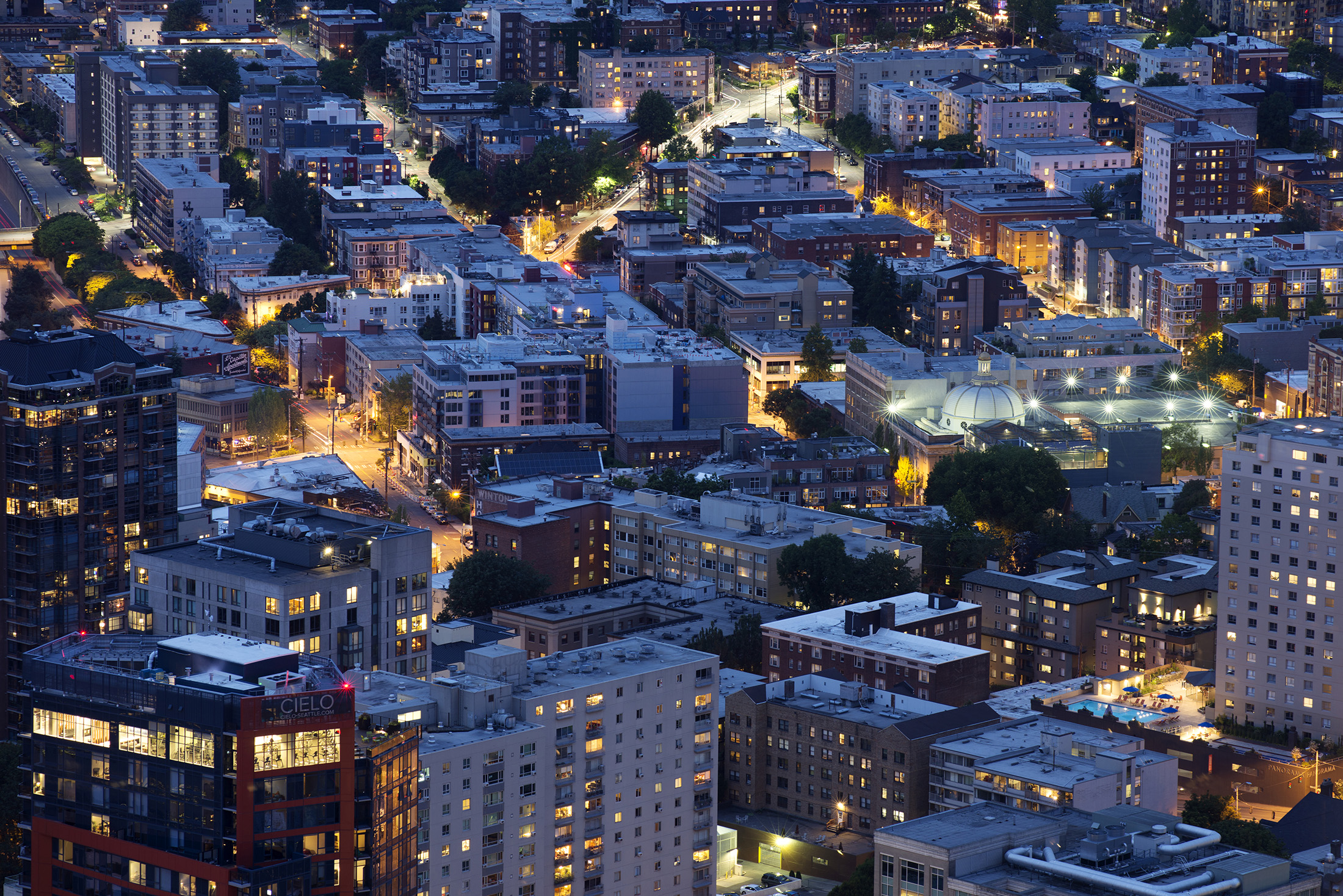
- San Francisco and Seattle were the main port of entries for Japanese immigrants. Today, San Francisco is home to one of three remaining Japantowns left in the entire U.S.
- Japanese Americans moved to Marysville in the 1890s to work in the areas fertile farming lands. The former Japantown in Marysville is home to a sizable Chinese American community.
- Skyscrapers and office buildings now stand in the place of Sacramento’s former Japantown.
- The San Jose Buddhist Church Betsuin was modeled after the Nishi Honganji Temples in Kyoto. San Jose’s Japantown still exists along Jackson Street between 4th and 6th Streets.
- Stockton had one of the largest Japantowns and Japanese American populations in California. Japanese Americans were employed in agriculture, the service industry, manufacturing and transportation.
- Little Tokyo in Los Angeles is the largest of the three remaining Japantowns. Many Japanese Americans migrated from Northern California to the Los Angeles basin to work in the expanding agriculture industries and to purchase cheap land.
- Most of Lodi’s Japanese Americans were employed in transporting goods like vegetables, fruit and lumber along train tracks that ran adjacent to Lodi’s Japantown.